October 20, 2026
Traffic Is Up but the Phone Isn't Ringing: How to Tell What's Working

TL;DR
Why Direct swallows the credit in your analytics, what call and form tracking actually fix, and the simplest attribution method most small businesses skip. A practical guide to knowing which marketing is producing enquiries.
In This Article
There's a particular kind of frustrating conversation we have with business owners. Traffic is up. The reports look healthy. Rankings have improved. And then the owner asks the obvious question. Why isn't the phone ringing any more than it was?
Sometimes the answer is that the site isn't converting. But often the phone is ringing more, and nobody can prove which of the things you're paying for made it happen. That's an attribution problem, and it's the reason a lot of small businesses either keep spending on something that doesn't work or quietly kill the thing that was working best.
Here's the short version. You can't fix this with a better dashboard. You fix it by tracking the three ways people actually contact you, phone calls, form submissions, and booked appointments, and connecting each one back to how that person found you. Everything else is decoration.
Why your analytics can't tell you what's working
Open most small business analytics accounts and you'll find "Direct" sitting near the top of the channel list, often as the single largest source. Direct is supposed to mean someone typed your web address straight into their browser. Some of it genuinely is that. Most of it isn't.
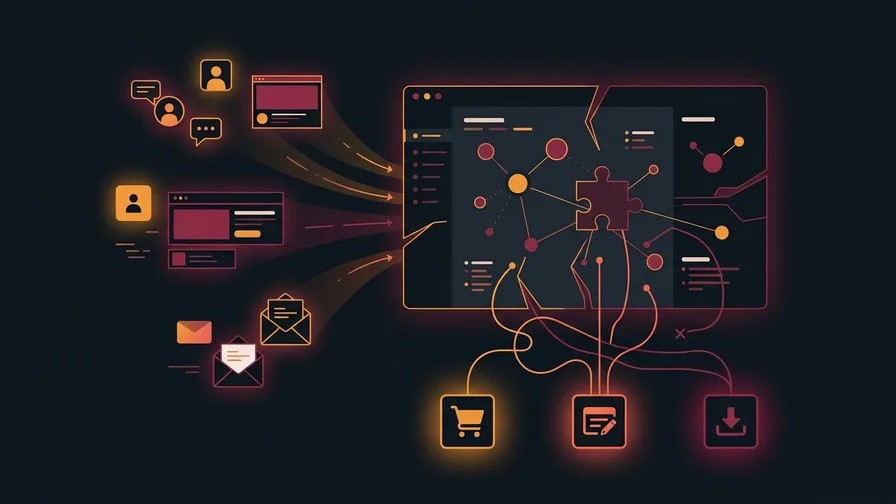
Direct is where analytics puts traffic it can't identify. Links clicked from a PDF or a document. Someone tapping a link in a messaging app or an in-app browser. Untagged links in an email client. Redirects and QR codes that lose the referrer on the way through. Consent refusals, ad blockers, and private browsing. A secure page linking to an insecure one, which drops the referrer entirely.
Worth clearing up one common misreading. People assume Direct is mostly bookmarks and typed addresses. Some of it is, but that's the smaller share, and assuming otherwise is how a business talks itself into believing it has more brand loyalty than it has.
AI assistants are worth a specific note, because the picture has changed and is still patchy. Google Analytics added an AI Assistant channel in June 2026, and ChatGPT appends a source tag to a growing share of its outbound links, so those clicks are now identifiable. The gaps are the part worth knowing. Google's recognized sources for that channel cover ChatGPT, Gemini, Copilot, Grok and DeepSeek, but not Perplexity or Claude. Clicks from Google's own AI Overviews and AI Mode don't land in it either. And a meaningful share of AI referrals still arrive with no referrer at all, which puts them in Direct. Beyond all of that sits the journey nothing captures at all, where somebody reads a recommendation, doesn't click, and looks you up later.
The result is a bucket labelled "we don't know" sitting at the top of your report, and people read it as "loyal customers who know our name". That misreading leads to real decisions, like cutting the channel that actually introduced those people to you.
The three things worth tracking
Forget channel reports for a moment. Start from the actions that represent money.
Phone calls. For most local service businesses this is the main way people get in touch, and it's the one most commonly untracked. Even the click is invisible unless somebody set it up on purpose, because a tel link isn't treated as an outbound link and analytics won't record the tap on its own. That surprises a lot of owners who assume it's counted already. And once you are tracking the tap, the tap is still all you know. Whether anyone answered, how long the call ran, and whether it turned into work all sit outside what the website can see.
Form submissions. Easier to track, and frequently tracked wrong. The common failure is counting form views or button clicks rather than successful submissions, which inflates your numbers and hides the fact that a chunk of people are hitting an error and giving up.
Booked appointments. If you use online booking, this is the cleanest signal you have, because a booking is unambiguous. Make sure the booking system reports back into your analytics rather than living in its own silo.
Set those three up properly and you can stop guessing. Without them you're reading traffic charts and inferring.
Call tracking, and when it's worth it
Call tracking replaces the phone number displayed on your site with a number that swaps depending on how the visitor arrived. Someone from Google Ads sees one number, someone from organic search sees another, and the calls are recorded against the right source before being forwarded to your real line.
It's the most complete way to connect a phone call to a marketing channel, and for a business where most enquiries come by phone, it closes the largest gap in your reporting. If Google Ads is your only paid channel, Google's own call reporting with forwarding numbers covers that channel without extra software. Dedicated call tracking earns its keep once you're spending across several channels and want them compared on the same basis.
Two practical cautions. First, your phone number needs to stay consistent everywhere it appears outside your website, particularly on your Google Business Profile and directory listings, because inconsistent business information can work against your local search visibility. Reputable call tracking handles this, but it's worth confirming rather than assuming. Second, if you record calls, you have privacy obligations around notifying people, so make sure whoever sets it up addresses that.
If your enquiries come mostly through forms, you can skip call tracking. Match the tooling to how people actually contact you.
The method most people skip
Before you buy anything, do this. Ask every new customer how they found you, and write the answer down somewhere you'll look again.
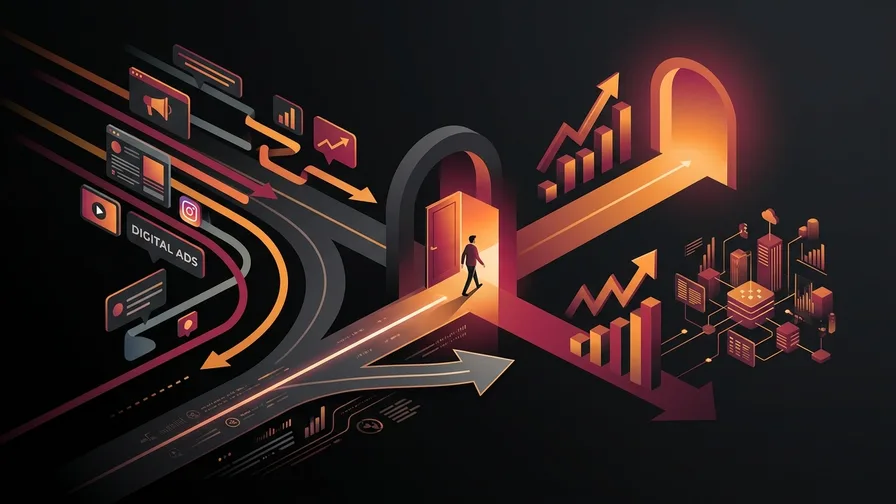
It sounds too simple to be worth mentioning, and it's the highest-value attribution work most small businesses can do. It captures the things no software sees. The referral from a past client. The person who's been driving past your sign for a year. The recommendation in a local group. The customer who asked an AI assistant for a shortlist and you were on it.
Free Offer
Want to know what's hurting your website?
We'll review your site and tell you exactly what to fix, no strings attached.
Get Your Free AuditThe answers are imperfect. People misremember, and they'll say "Google" when they mean a directory. But a few months of these answers alongside your analytics gives you something neither source provides alone. When the two disagree, that disagreement is usually where the interesting information is.
Last click isn't the whole story
Most reporting gives all the credit to the last thing someone clicked before they contacted you. That's tidy and it's misleading.
A realistic path looks more like this. Someone sees your work through a neighbour, looks you up, reads a couple of pages, leaves, thinks about it for three weeks, searches your business name, and calls. Last-click attribution records that as a branded search. The branded search got the credit. The neighbour did the work.
This is why channels that introduce people to you tend to look weak in reports while channels that catch people at the end look strong. It's also why cutting the top of your funnel because "it doesn't convert" often produces a slow decline that nobody connects back to the decision months later.
You don't need a sophisticated attribution model to handle this. You need to hold the caveat in your head when you look at the numbers, and to weigh the "how did you hear about us" answers accordingly.
What good looks like for a small business
You don't need enterprise tooling. A workable setup is:
- Analytics installed correctly, with form submissions and booking confirmations recorded as conversions rather than as page views.
- Call tracking if the phone is your main enquiry channel.
- A "how did you hear about us" field on your form, and the same question asked on the phone.
- One number reviewed monthly, and that number is enquiries rather than sessions.
- A written note of what changed each month, so a shift in results has something to be compared against.
That last point gets overlooked. Six months of numbers with no record of what you changed tells you what happened but never why.
The uncomfortable part
Better attribution sometimes tells you that something you've been paying for isn't producing. That's the point, and it's worth being ready for it, because the natural response is to distrust the measurement rather than the spend.
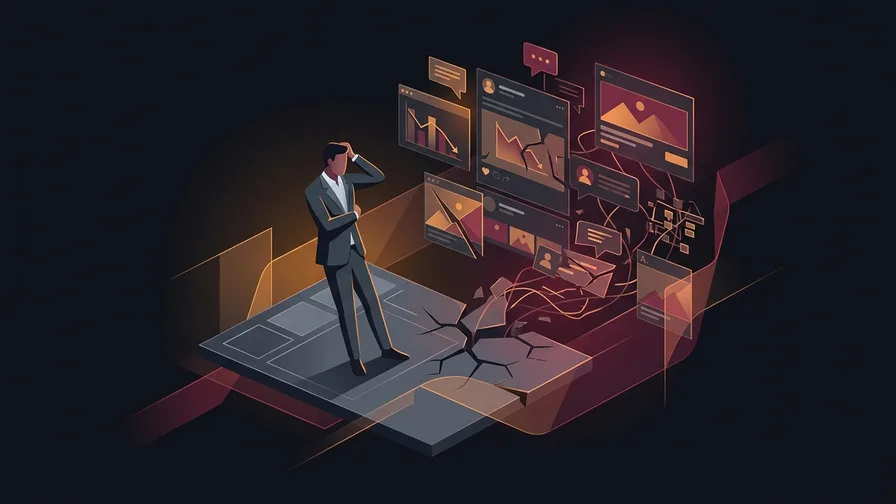
It also cuts the other way. We've had clients discover that a channel they were about to cut was quietly responsible for a large share of their enquiries, and the only reason they found out was that they started asking people how they'd found them.
Either way, you're making the decision on evidence rather than on which invoice arrived most recently.
Frequently Asked Questions
Why is Direct traffic so high in my analytics?
Direct is where analytics puts visits it can't attribute, not just people typing your address. Links from documents, messaging apps and in-app browsers, untagged email, redirects and QR codes that lose the referrer, and privacy settings that strip it all land there. Treat a large Direct number as unidentified traffic rather than as brand loyalty.
Do I need call tracking?
If most of your enquiries arrive by phone and you're spending across more than one channel, it's the most reliable way to compare those channels on the same basis. If Google Ads is your only paid channel, Google's built-in call reporting may be enough. If enquiries come mainly through forms or online booking, you can get by without it.
Will call tracking hurt my local SEO?
It shouldn't, provided your business phone number stays consistent across your Google Business Profile and directory listings. The risk comes from inconsistent business information, so confirm how your provider handles that before you set it up.
What should I actually measure each month?
Enquiries: calls, form submissions, and bookings. Traffic, rankings, and impressions are useful for diagnosing why enquiries moved, but they're not the number to judge your marketing on.
How do I track leads that come from AI assistants?
Partly. Google Analytics added an AI Assistant channel in June 2026 and ChatGPT tags a growing share of its outbound links, so those clicks show up. Perplexity and Claude aren't among Google's recognized sources for that channel, Google's own AI Overviews and AI Mode aren't included either, and plenty of AI referrals still arrive with no referrer and land in Direct. None of it captures the no-click path, where someone reads a recommendation and looks you up later. Asking new customers how they found you is how you catch that.
Isn't asking customers how they found us unreliable?
On its own, somewhat. People misremember and generalise. But it captures referrals, word of mouth, and offline influence that no analytics tool can see, and it's most valuable read alongside your analytics rather than instead of it.
If you suspect your marketing is working better than your reports suggest, or worse, the free website audit is a sensible place to start. Being straight about what it can and can't do here. We look at your site from the outside, so we can see whether analytics and tag management are installed at all, whether your phone number is set up as a clickable link that could ever be counted, and whether your forms lead anywhere that registers as a conversion. What we can't see at that stage is your actual numbers, because we don't have access to your analytics. That comes later if we work together, and on most sites it's the first thing worth fixing. Request your free website audit here.