June 23, 2026 · Updated September 25, 2026
When Is It Time to Redesign Your Website? (7 Signs You Can't Ignore)
TL;DR
Most business owners know something feels off about their website before they can name it. These seven signs make it easy to tell when a redesign has gone from optional to necessary.
In This Article
Your website is often the first place a potential customer forms an opinion about your business. Not your Google reviews, not your social media, not a referral from a friend. Your site. And if that site is slow, confusing, hard to navigate on a phone, or just looks like it was built during a different era of the internet, that opinion forms fast and not in your favour.
Knowing when to redesign your website is one of those decisions that gets put off longer than it should. It never feels urgent until it does, and by then you've already lost leads you'll never know about. This post walks through the seven clearest signs it's time, what a redesign actually involves, how it differs from a simple refresh, and how to plan for one without overcomplicating it.
7 Signs It's Time to Redesign Your Website
1. It's Not Mobile-Friendly
Close to half of all web traffic now comes from mobile devices, and for many local businesses it's more. If your site doesn't resize properly, forces users to pinch and zoom, or has buttons too small to tap accurately, you're sending mobile visitors straight back to Google to find a competitor. Google also uses mobile-first indexing, which means Google looks at the mobile version of your site when it indexes and ranks it.
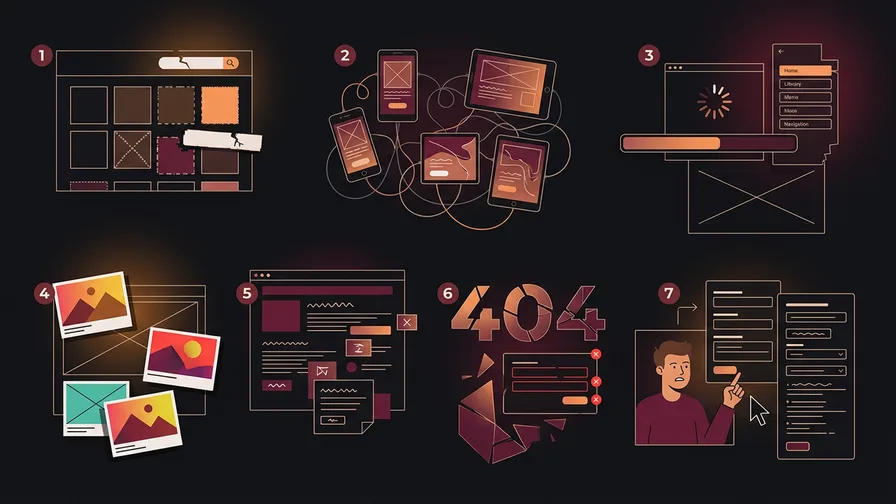
Pull your site up on your phone right now. If you find yourself zooming in to read anything or struggling to find the navigation, that's a problem worth fixing.
2. It Loads Slowly
Page speed matters more than most business owners realize. Visitors are impatient, and every extra second of load time gives them another chance to hit the back button. Google's Core Web Vitals, which feed into its page experience signals, measure how fast your main content loads, how quickly the page responds when someone taps or clicks, and how stable the layout is while it loads. A slow site doesn't just frustrate visitors. It can cost you rankings too, especially against competitors with similar content.
Common causes of slow load times include unoptimized images, outdated code, bloated plugins, cheap shared hosting, and themes built without performance in mind. These are fixable, but sometimes the underlying site structure is old enough that fixing them piecemeal isn't worth it compared to building something clean from scratch.
You can check your current speed at Google PageSpeed Insights, or request a free website audit and we'll do it for you.
3. Your Bounce Rate Is High
If visitors are landing on your site and leaving immediately without clicking anywhere else, that's a signal your site isn't delivering what they came for. A high bounce rate doesn't always mean a redesign is needed, sometimes it's a content or targeting problem, but when it's paired with other items on this list, it usually means the experience itself is the issue.
High bounce rates on older sites come from confusing layouts, unclear value propositions, walls of text with no visual hierarchy, slow load times, and a homepage that doesn't answer the basic question of what the business actually does and who it's for.
4. The Design Looks Dated
Design trends evolve, and a website that looked professional in 2016 often looks noticeably old by 2026. This isn't just aesthetic. When a site looks dated, visitors subconsciously question whether the business is still active, whether the information is current, and whether they can trust what they're reading.
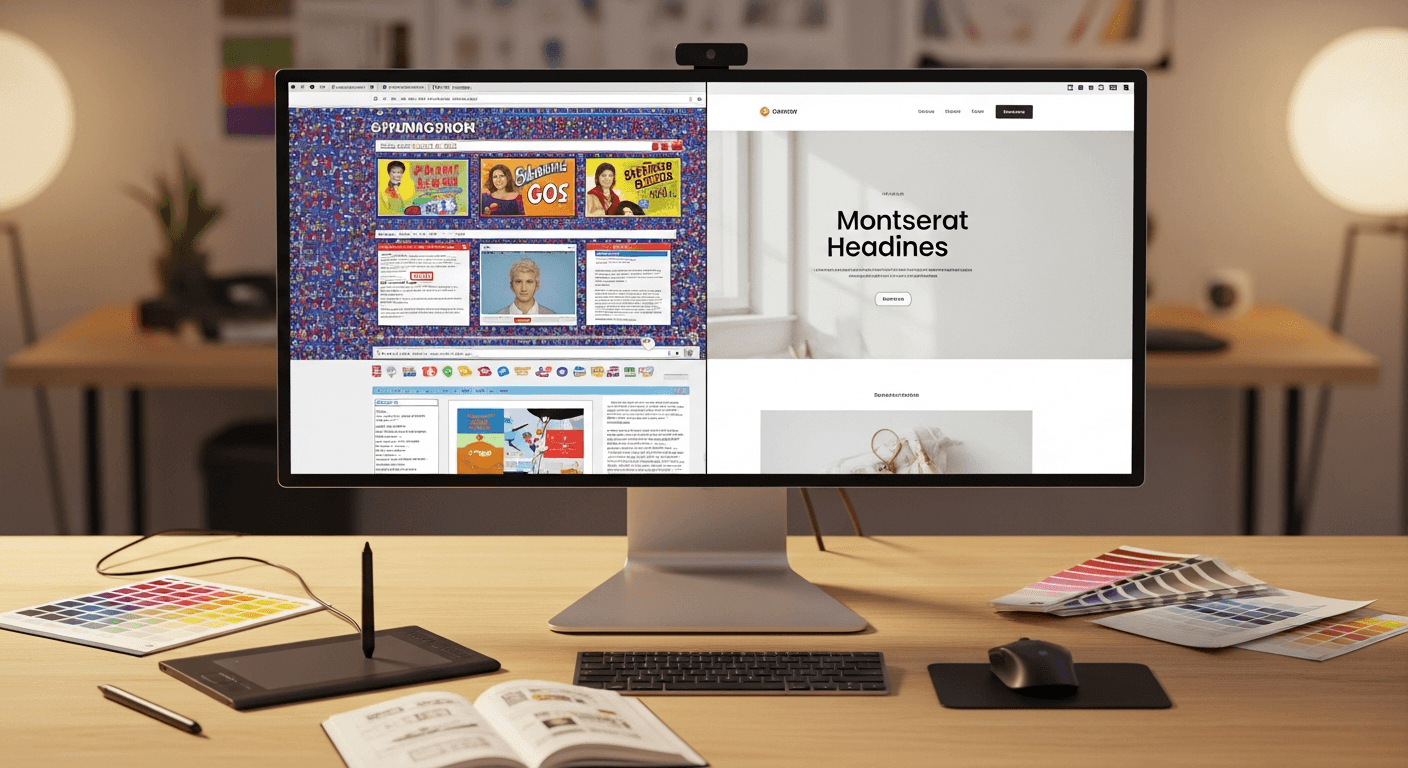
Specific signs of an outdated design include stock photo-heavy layouts with posed businesspeople shaking hands, text that runs the full width of the screen, centred blocks of italic script, overly complex navigation menus, and designs that use shadows and gradients in ways that feel heavy. If your site looks like it belongs to a different decade, it's time.
5. You Can't Edit Your Own Content
If updating a team member's bio, changing a service description, or adding a new blog post requires emailing a developer and waiting a week, you're working with a site that's working against you. Modern websites built on solid platforms let business owners handle routine content updates without touching code.
This matters because keeping content accurate and current helps both visitors and search, and being able to move quickly matters when circumstances change. If your site is locked in a way that creates friction every time you need to make a simple change, that's a genuine operational problem, not just a convenience issue.
6. The Site No Longer Reflects Your Brand
Businesses evolve. Services change, positioning sharpens, audiences shift, and the things that made you different five years ago might not be what make you different today. If your website is still selling the old version of your business, there's a gap between what you're offering and what visitors are reading.
This is one of the more commonly overlooked reasons to consider a redesign. A mismatch between your current brand and your site doesn't just confuse visitors. It creates inconsistency across touchpoints that erodes trust. If you've rebranded, expanded your services, niched down, or changed your target market and your site hasn't kept up, it needs to.
7. Your Website Isn't Generating Leads
This one is the most direct. A website isn't just a digital brochure. It's a business asset that should be actively contributing to your pipeline. If your site is getting traffic but not converting visitors into leads, something is broken in the experience.
Common conversion killers include no clear calls to action, contact forms that are buried or broken, unclear service descriptions that don't address what visitors actually want to know, no social proof, and landing pages that send paid traffic to a homepage instead of a purpose-built page. A redesign focused on conversion can turn a site that's passively sitting online into one that actively works for you.
Redesign vs. Refresh: What's the Difference?
Not every website problem requires a full redesign. It's worth being honest about the scale of what's needed before committing.
A refresh typically means updating the visual layer without restructuring the site. New colors, updated fonts, better photos, modernized layout on existing pages. A refresh makes sense when the underlying structure is sound, the content is accurate, and the main issue is that the aesthetic feels stale. It's faster and less expensive.
A redesign goes deeper. It involves rethinking the site architecture, often migrating to a new platform, rewriting copy, rebuilding pages, and restructuring how the site guides visitors toward conversion. A redesign makes sense when the problems are structural, not just cosmetic. If the navigation is confusing, if key pages are missing, if the site doesn't function well on mobile, or if the platform is so outdated that updating it is no longer practical, a redesign is the right call.
Free Offer
Want to know what's hurting your website?
We'll review your site and tell you exactly what to fix, no strings attached.
Get Your Free AuditWhen we do website design and development, we start with a clear-eyed assessment of which is actually needed. Sometimes a client comes in expecting a full redesign and a targeted refresh is the better investment. Sometimes the opposite is true and a refresh will just delay the inevitable.
What a Redesign Actually Involves
A lot of business owners underestimate what goes into a website redesign, and some overestimate it too. Here's what a thorough process typically includes:
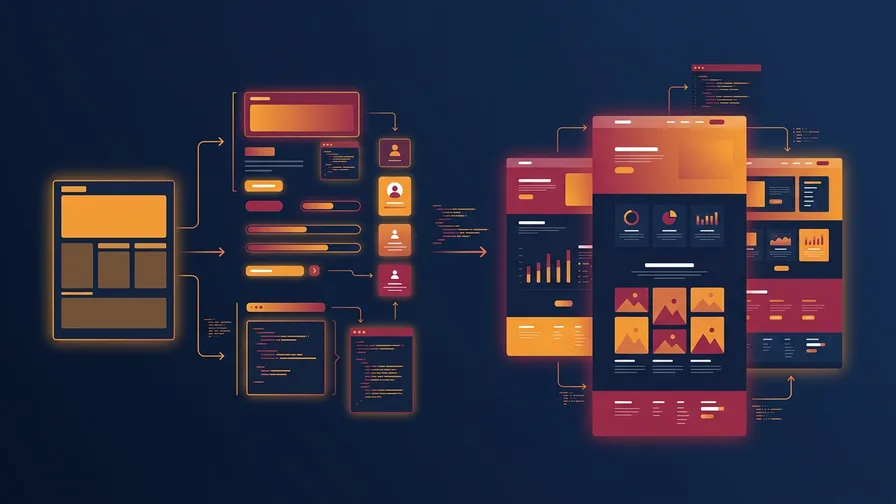
- Discovery and strategy. Understanding your business goals, your audience, your competitors, and what the site needs to accomplish. This shapes every decision that follows.
- Site architecture and wireframes. Deciding which pages to build, how to organize them, and how visitors should move through the site before a single design decision is made.
- Copywriting. Most redesigns require new or significantly revised copy. Design without clear copy is just decoration.
- Visual design. Building the actual look of the site: layouts, typography, colour usage, imagery, and how everything works together.
- Development. Building the functional site on a platform that performs well, is easy to maintain, and supports your ongoing needs.
- SEO migration. Making sure existing pages that rank in Google are properly redirected, so you don't lose traffic when the new site launches.
- Testing and launch. Checking everything across devices and browsers before going live.
Depending on site size and complexity, a thorough redesign typically takes 6 to 12 weeks from kickoff to launch.
Realistic Timelines and Costs
Website redesign costs vary widely based on scope, the platform being used, whether copywriting is included, and the experience level of who's building it.
For a small business site with 5 to 15 pages, realistic ranges look like this:
- Template-based build with minimal customization: $2,000 to $5,000. Faster to build, but limited in flexibility and often not meaningfully different from competitors using the same template.
- Custom design on a modern platform: $5,000 to $15,000. Purpose-built to your brand and goals, with the structural decisions made around what your business needs specifically.
- Enterprise-level or complex functionality: $15,000 and up. E-commerce, complex integrations, large page counts, custom web applications.
Timeline-wise, most small business redesigns land at the faster end of that 6 to 12 week range when the client is organized and feedback is timely. The most common source of delays is content. If copy and images aren't ready when the design phase starts, the project stretches.
After launch, a website maintenance plan is worth considering to keep the site updated, secure, and performing well over time. A new site that isn't maintained starts accumulating the same problems within a year or two.
How to Plan for a Redesign
Before you reach out to a designer or agency, a little preparation makes the process faster and the outcome better.
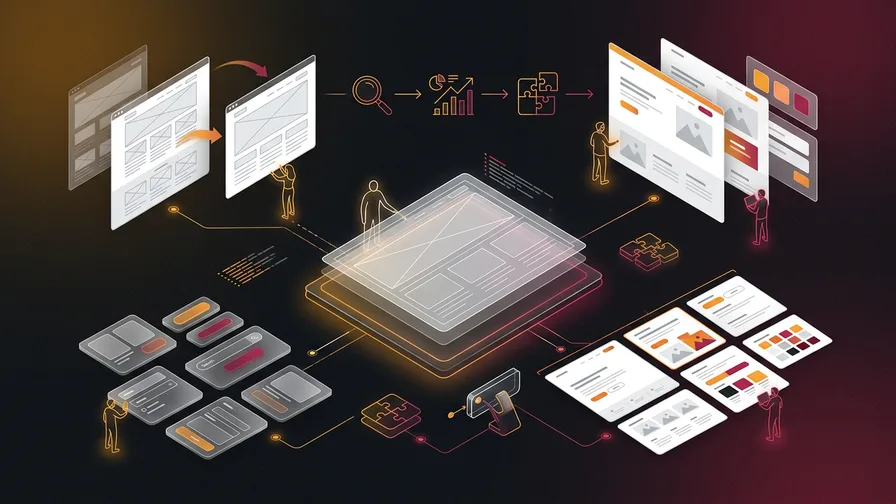
Know your goals. What should the redesigned site accomplish that the current one doesn't? More leads? Better conversions from paid traffic? A cleaner brand presentation? The clearer you're on outcomes, the easier it is to evaluate whether the finished product is working.
Gather what you have. Compile your current brand assets: logo files, brand colors, any existing copy you want to keep, and photos you actually own. Having these ready before the project starts saves time.
Know your must-haves. Are there specific integrations the site needs, like a booking tool, CRM connection, or e-commerce functionality? Note these before the project scoping conversation so they're included in the estimate.
Think about SEO. If your current site ranks for anything, make sure whoever builds the new one has a plan for maintaining those rankings through the transition. Launching a new site without an SEO migration plan can set your organic traffic back significantly.
Frequently Asked Questions
How often should a small business redesign its website?
There's no fixed rule, but most small business websites benefit from a meaningful update every three to five years. Technology changes, design conventions evolve, and your business itself changes. Rather than watching a calendar, the better approach is to evaluate your site against the seven signs above annually. If several are present, it's time to act regardless of when the last build was.
Will a redesign hurt my SEO?
A poorly handled redesign can temporarily hurt your SEO, particularly if URLs change without proper redirects. A well-handled redesign, with a proper migration plan, can protect your rankings and often improves them over time, because the new site is faster, better structured, and more clearly communicates what each page is about. SEO should be part of the redesign process, not an afterthought.
Can I redesign my website without starting from scratch?
Sometimes. If your current platform is solid and the underlying structure is good, it's possible to redesign the visual layer without rebuilding everything. More often, by the time a redesign is needed, the platform has become a limitation too, and building fresh is more efficient than trying to modernize something that's fighting you at every step. This is worth discussing in an initial consultation before assuming either direction.
What's the first step if I think my site needs a redesign?
Start with an honest assessment of what's actually broken and what it's costing you. A free website audit is a good starting point. It surfaces the technical issues, gives you a benchmark on speed and mobile usability, and helps clarify whether you're dealing with a few fixable issues or something more structural. From there, you can make a more informed decision about scope and budget.
If you're ready to talk through what a redesign could look like for your business, book an introductory call. We'll look at your current site together and give you a straight answer on what it would take to get where you want to go.