September 27, 2022
Simple Tips on How to Use Social Media for Small Business
TL;DR
Social media can be a genuine growth channel for small businesses, but only when you use it with a plan. Here are practical tips that cut through the noise and actually get results.
In This Article
Small businesses can use social media to great effect to reach out to new customers, increase brand awareness and create a community of fans and followers. However, it is important to understand the different platforms and how they work in order to make the most of them.
For example, Facebook is good for sharing information about products or services, while Twitter is better for getting customer feedback and engaging in conversation with customers. But only if they understand how it works and how to use it properly. In order for social media to be effective, small businesses need to create interesting and engaging content that will attract attention and encourage people to share it.
They also need to make sure that their social media profiles are well-maintained and updated regularly. Additionally, businesses should use social media as a way to connect with customers and build relationships with them. You can use social media to track down potential customers and learn more about their needs and wants.
It can also be used to boost your brand, connect with customers, and create a community of supporters. However, it takes time and effort to create an effective social media strategy. Here are 10 tips for small businesses looking to get started.
1. Establish your goals
Before you start using social media, it’s important to establish what you hope to achieve. Do you want to increase brand awareness? Drive traffic to your website? Boost sales? Once you know your goals, you can create content that will help you achieve them.

2. Choose the right platform
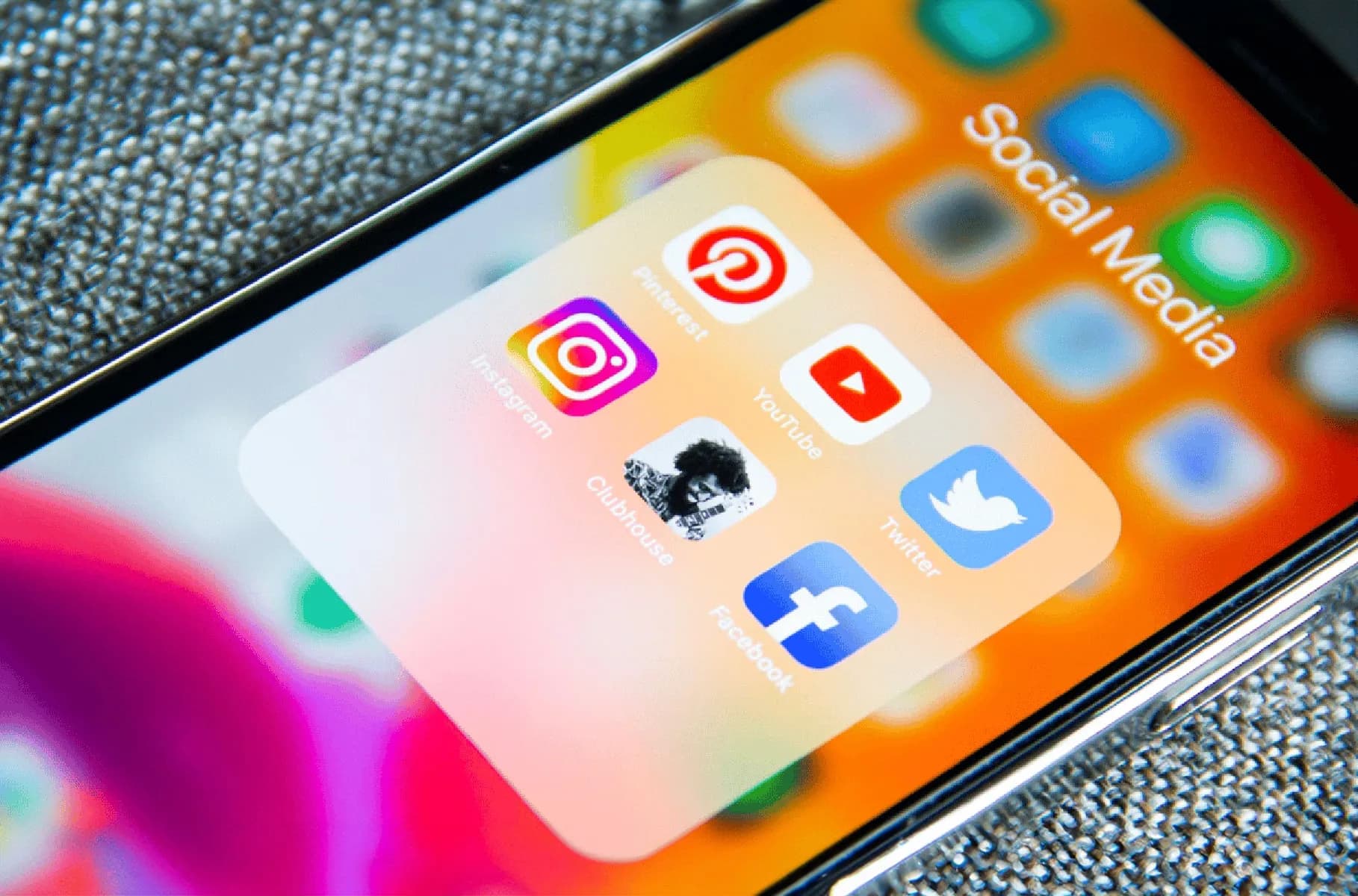
Not all social media platforms are the same. For example, if you’re looking to boost brand awareness, Instagram might be a better choice than Pinterest. If you’re looking to drive traffic to your website, Facebook & Tiktok might be a better choice than other platforms. It’s important to choose the platform that will help you best achieve your goals.
3. Engage with your audience
It’s not enough to simply post content on social media. You also need to engage with your audience. Respond to comments and questions. Share other people’s content. Like and comment on other posts. The more you engage with your audience, the more likely they are to support your business.
4. Be consistent
Social media is a long-term game. It takes time and effort to build an effective presence on social media. The key is to be consistent. Post regularly, interact with your audience and keep at it even when it feels like you’re not getting anywhere. If you’re persistent, you’ll eventually see results.
5. Create a Facebook Group
Creating a Facebook Group can be a great way to get help and advice from other business owners. By sharing your experiences and asking for help, you can create a valuable resource for others. You can also use the group to share news and updates about your business, as well as promote special offers and events.
6. Make connections with other entrepreneurs and influencers in your industry
One of the best ways to use social media for small businesses is to create connections with other entrepreneurs and influencers in your industry. This can help you learn from their successes and failures, and get advice on how to improve your own business. It can also help you build relationships that could lead to future collaborations or partnerships.

7. Paying attention to trends
Small businesses should always be on the lookout for new trends in social media marketing. By following the right trends, small businesses can reach a larger audience and make more money. However, it can be difficult to keep up with all of the latest trends, especially if you don’t have much experience with social media.
Free Consultation
Ready to get more from your marketing?
Book a free call and we'll look at what's working, what's not, and where to focus next.
Book a Free CallFor example, if you own a restaurant, you might want to focus on Tiktok and Instagram, since those platforms are popular among millennials.
But if you sell clothes online, then you might want to focus on Facebook, Etsy, and Pinterest, since those platforms are more popular among women. Of course, there are many other factors that you will need to consider as well, but paying attention to relevant trends is a good place to start.
8. Mix up your formats
Too many small businesses make the mistake of using the same format on all social media platforms, which can quickly become stale. Instead, you should vary your tone, content, and style to keep things interesting for your followers.
Also, be sure to keep your messaging fresh by posting new content regularly. This could be original content, curated content, or even just plain old news from your industry.
9. Quality content over quantity
Quality over quantity is the key to social media success for small businesses. It’s not about having a lot of followers, it’s about having the right followers. And you can only get the right followers if you focus on quality over quantity.
Quality content is more important than ever. With so much noise and clutter online, people are tuning out anything that doesn’t interest them or add value to their lives. That means you have to work harder than ever to stand out and be noticed.
But it’s worth it because when you create quality content that resonates with your audience, they’ll share it with their friends and colleagues, who will then share it with theirs. And before you know it, you’ll have a thriving community of fans and followers who are interested in what you do and want to learn more.
10. Use the right tools
Small businesses can get a lot of mileage out of social media if they use it the right way. That means using the right tools to reach their target market, and then monitoring and adjusting their campaigns accordingly.
There are a lot of social media platforms out there, but not all of them are a good fit for every business. Some platforms are better for reaching certain demographics than others, so it’s important to do some research before choosing which ones to use.
Conclusion
Social media can be an incredibly powerful tool for small businesses when used correctly. By creating profiles on popular platforms and sharing interesting, engaging content, small businesses can reach new customers and grow their brands.

However, it’s important to remember that social media is a two-way street: not only must businesses share great content, but they must also respond to comments and questions from customers. Additionally, businesses should use social media to drive traffic back to their websites and blogs, where they can capture leads and convert visitors into customers.
Are you prepared to launch a social media campaign for your small business? Contact our team right away to learn how our social media marketing services can help you boost your business.
Frequently Asked Questions
How often should a small business post on social media?
Consistency matters more than volume. Posting three to five times per week on your primary platform is a solid starting point. Focus on content that genuinely helps or entertains your audience rather than hitting an arbitrary number of posts. Quality content shared consistently beats daily posts with nothing to say.
Which social media platform is best for small businesses?
It depends on your audience. Facebook works well for local businesses and older demographics. Instagram and TikTok suit visual products and younger audiences. LinkedIn fits B2B companies. Start with one or two platforms where your customers actually spend time rather than trying to be everywhere at once.
How do you measure whether your social media efforts are working?
Look beyond follower counts. Track engagement rate (likes, comments, shares relative to reach), website clicks from social profiles, and leads or inquiries that mention finding you on social media. If none of those numbers are moving in the right direction after 90 days of consistent effort, it may be time to revisit your content strategy.
If social media feels like a lot of effort for not enough return, book an introductory call and we'll help you figure out what's worth your time and what isn't.