May 12, 2026
Med Spa Marketing: How to Fill Your Appointment Book Online
TL;DR
Most med spas rely on word of mouth and Instagram. But the ones consistently filling their books have figured out how to show up where clients are actively searching. Here's how to do that.
In This Article
Med spa marketing gets complicated fast. You're not selling a commodity, you're selling outcomes that people research carefully before booking. Clients want to trust you before they pick up the phone. And unlike a restaurant or a retail shop, a single new client who comes in for Botox and keeps coming back is worth hundreds of dollars a year. That changes how you should think about where to put your marketing dollars.
This post breaks down the channels that actually work for med spas, how to think about the tradeoffs between them, and what realistic results look like at different budget levels.
Who You're Actually Marketing To
Before getting into channels, it's worth being specific about the client you're trying to reach. The most profitable med spa clients tend to share a few traits. They're within a 15 to 20 minute drive, they've already decided they want a treatment (they just haven't chosen a provider yet), and they respond to expertise and trust signals more than discounts.

That last point matters more than most med spas realize. Competing on price in this space attracts the wrong clients. They churn, they're harder to retain, and they don't refer. The marketing that works long-term positions you as the trusted provider, not the cheapest option.
The Four Channels That Move the Needle for Med Spas
Google Search: Paid and Organic
When someone in your city types "Botox near me" or "lip filler [city name]," they're ready to book. That search intent is the most valuable thing in med spa marketing, and capturing it through Google Ads or SEO is how the busiest practices fill their calendars.
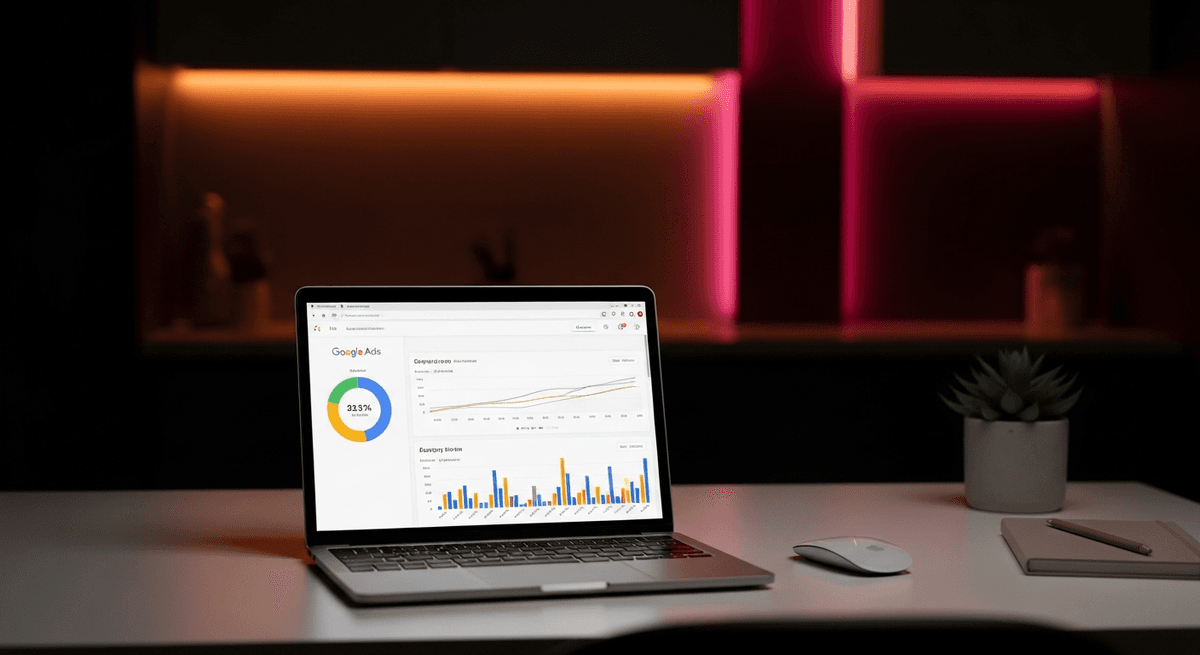
Google Ads gets you there immediately. A well-structured campaign targeting high-intent keywords in your area, with a strong landing page and a clear booking path, can generate appointment requests within days of launching. The tradeoff is cost. Med spa keywords are competitive, and cost-per-click in many markets runs $5 to $20 depending on the treatment and location. At a 5 to 8% conversion rate on clicks, that's roughly $60 to $300 per booked appointment, which works well for higher-ticket services but less so for introductory treatments.
SEO takes longer but compounds. A practice that ranks on page one for "med spa [city]" and specific treatment keywords gets free organic traffic every month, and that traffic often converts better than paid because searchers trust organic results. The catch is that results typically take 6 to 12 months to build. It's worth starting now, but don't rely on it as your only source while you wait.
The practical answer for most med spas is to run Google Ads while building SEO in parallel. As organic traffic grows, you can reduce paid spend on terms where you already rank well.
Social Media: Instagram and TikTok
Social media is where med spa clients discover you and build trust before booking. It's not usually where they decide to book in the moment. That distinction matters for how you use it.
Instagram remains the primary platform for aesthetic medicine. Before-and-after content, provider introductions, treatment explainers, and client testimonials all perform well. TikTok has grown quickly for med spas and tends to generate reach faster, though the audience skews younger. If you're trying to attract clients for anti-aging treatments, Instagram is still more relevant. If you're focused on lip filler and body contouring for a younger demographic, TikTok is worth serious attention.
Social media marketing for med spas works best when it's consistent and shows real results. Generic stock photos don't build trust. Before-and-afters, behind-the-scenes content, and short videos that explain what a treatment actually feels like give potential clients enough information to overcome hesitation. That educational content is often what converts a follower into a first appointment.
Paid social on Instagram and Facebook can work well for promotions and new treatment launches, particularly for retargeting people who've visited your website but haven't booked. Cold audience campaigns on social tend to be less efficient than Google Ads for med spas because the intent isn't there yet, but they're useful for building awareness and filling the top of your funnel.
Google Business Profile and Reviews
Your Google Business Profile is often the first thing a potential client sees when they search for you by name or find you through Google Maps. An incomplete or neglected profile costs you bookings. A well-maintained one with recent photos, accurate information, and a steady stream of reviews can be one of your highest-converting assets.
Reviews deserve their own attention. Med spa clients read them carefully, and a practice with 150 reviews averaging 4.8 stars will win against a competitor with 20 reviews at the same rating almost every time. The volume signals that you've served many clients successfully and that the quality is consistent.
Getting reviews isn't complicated, but it requires a system. Send a follow-up text or email after each appointment asking for feedback, with a direct link to your Google review page. Most clients who had a good experience will leave a review if you make it frictionless. Aim to add 10 to 15 new reviews per month, and respond to every review, positive and negative, to show you're engaged.
Email Marketing
Your existing client list is your most valuable marketing asset, and most med spas underuse it. A client who came in for Botox six months ago and hasn't booked again isn't necessarily lost. They may just need a reminder or a reason to come back.
A monthly email to your client list with seasonal promotions, new treatment announcements, and educational content keeps you top of mind and generates appointments at almost no cost per booking. Combine this with automated re-engagement sequences, a follow-up email at 90 and 180 days after a last visit, and you'll recover a meaningful percentage of clients who would otherwise drift to a competitor.
Free Consultation
Ready to get more from your marketing?
Book a free call and we'll look at what's working, what's not, and where to focus next.
Book a Free CallBefore-and-After Content: Your Most Powerful Marketing Tool
Before-and-after photos are the single most persuasive content type for med spa marketing, and they're underused by most practices. Potential clients want to see real results from a real provider before committing. Polished stock imagery doesn't answer that question.
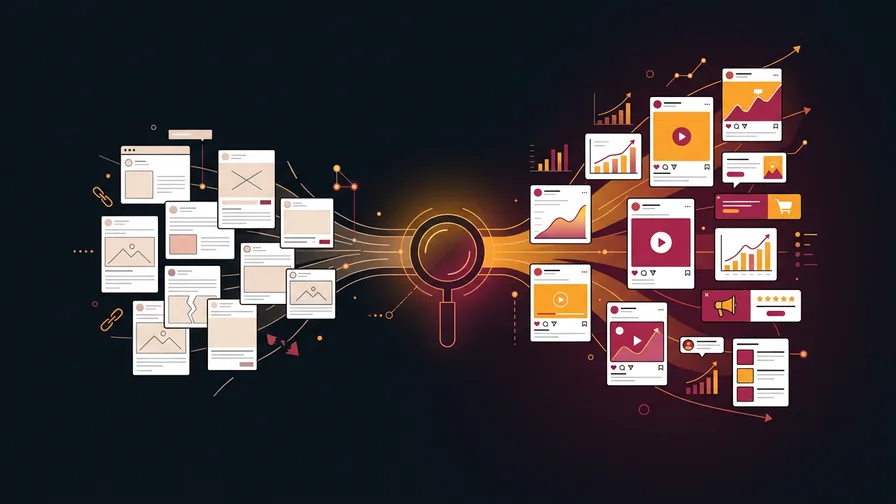
Building a library of quality before-and-after content takes time, but the investment pays off across every channel. On Instagram, before-and-afters consistently outperform other content types. On your website, they reduce hesitation and increase booking rates. In Google Ads, landing pages with before-and-afters convert better than generic service pages.
A few practical guidelines are worth keeping in mind. Always get written consent from clients before posting, be consistent with your lighting and photo framing so results are clearly visible, and post across treatments rather than just your most popular service. A potential client researching lip filler wants to see lip filler results, not exclusively Botox before-and-afters.
Your Website and Booking Flow
All the traffic in the world doesn't matter if your website loses people before they book. Med spa websites commonly have a few problems that hurt conversions: vague service descriptions, no pricing information at all, a clunky booking process, and no social proof near the decision point.
Each service page should clearly explain what the treatment does, who it's for, what results to expect, and what the experience is like. A FAQ section addressing common concerns (does it hurt, how long does it last, what's the recovery) reduces hesitation and improves booking rates. Testimonials and before-and-afters should appear on service pages, not just in a standalone gallery.
On booking, if clients can book directly through your website without calling, conversions will be higher. Online booking software that integrates with your calendar makes this easy. If you require a phone call to book, you're adding friction that some percentage of potential clients won't bother with.
Realistic Budgets and What to Expect
Med spa marketing budgets vary widely, but here's a grounded framework. A practice spending $1,500 to $3,000 per month on Google Ads in a mid-sized market can reasonably expect 8 to 20 booked appointments per month from that channel alone, depending on competition and how well the campaign is managed. If the average appointment value is $300, that's $2,400 to $6,000 in revenue from a $1,500 to $3,000 investment. The return improves as campaigns are optimized over time.
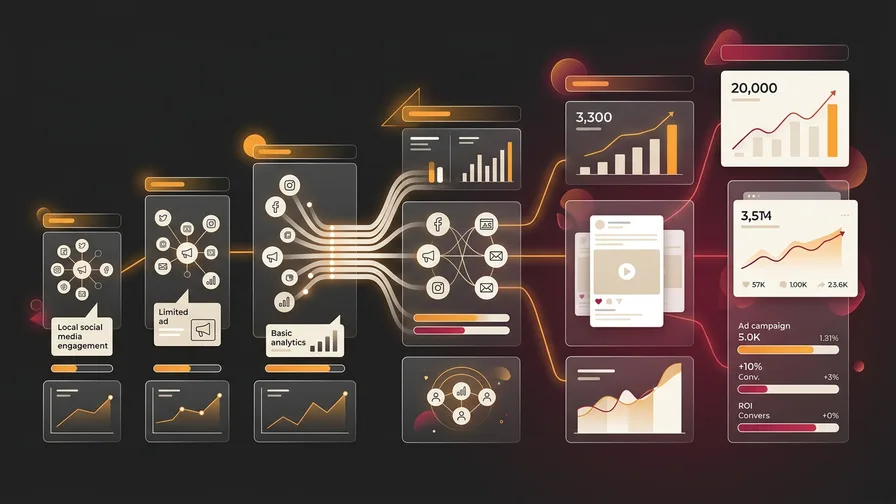
Add $1,500 to $3,000 per month for SEO and content work, building the organic presence that will eventually reduce your paid spend, and you have a solid foundation. Social media can be handled in-house with consistent effort or outsourced at a range of price points.
Where practices go wrong is spending on everything at once before any single channel is working well. It's more effective to get Google Ads dialed in first, where the intent signal is clearest, then expand. Spreading a small budget too thin means nothing gets enough spend to generate meaningful data or results.
Frequently Asked Questions
How long does it take for med spa marketing to show results?
Google Ads can generate appointment requests within the first week or two if the campaign is set up well. SEO takes 6 to 12 months to build meaningful organic traffic, but the results are durable. Social media grows an audience over months, not days. If you need results quickly, start with Google Ads while building the slower-burn channels in parallel.
Should I run promotions and discounts to attract new clients?
Introductory offers can work for specific treatments as a way to get new clients through the door. The risk is attracting price-sensitive clients who won't return at full price. A better approach is to compete on trust and results. Strong reviews, visible before-and-afters, and clear explanations of your process tend to attract clients who convert to long-term regulars better than discount seekers do.
Do I need to be on every social media platform?
No. Pick one or two platforms and do them well rather than spreading yourself across five. For most med spas, Instagram is the priority. Add TikTok if you have the bandwidth and want to reach a younger demographic. Everything else is secondary until those two are running consistently.
How important are Google reviews for a med spa?
Very important. Potential clients read reviews carefully before booking aesthetic treatments. A practice with a large volume of recent, positive reviews has a significant conversion advantage over competitors with fewer reviews. Building a consistent review generation system, a follow-up text or email after each appointment with a direct review link, is one of the highest-return things a med spa can do for its marketing.
If you're ready to put a real strategy behind your practice's growth, book a call and we'll look at where your biggest opportunities are and what a realistic plan would look like for your market.