March 10, 2026
How Long Does SEO Take? An Honest Answer for Small Business Owners

TL;DR
The honest answer is 3 to 6 months to see initial movement, 12 months or more for compounding results. Here's why, and what realistic progress looks like month by month.
In This Article
The honest answer to "how long does SEO take?" is three to six months before you see meaningful movement, and twelve months or more before SEO becomes one of your most reliable lead sources. That's not a hedge. It's how Google actually works.
Most of the businesses that get burned by SEO were sold a faster timeline than reality supports. Understanding why it takes as long as it does, and what progress should look like at each stage, makes it possible to evaluate whether your SEO efforts are actually working.
Why SEO Takes Time
Three things drive the timeline:
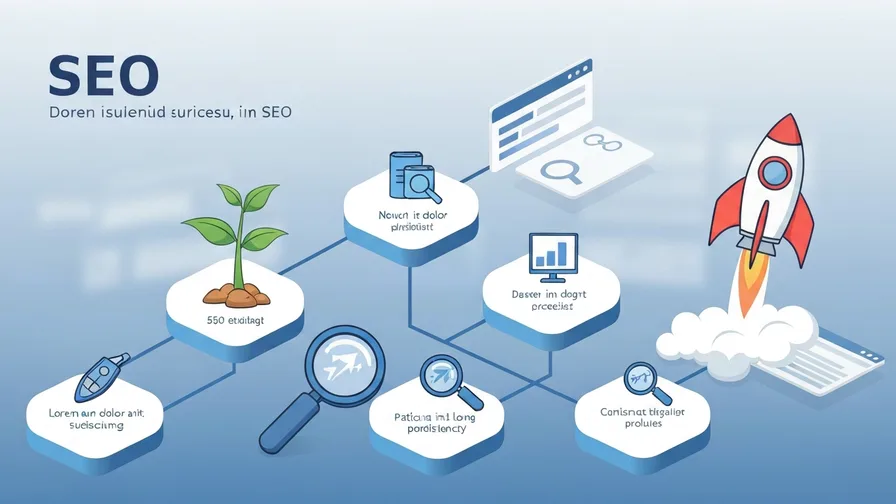
Google's crawl and index cycle. A new page on your website doesn't appear in search results the moment you publish it. Google needs to discover it, crawl it, evaluate its quality and relevance, and decide where to rank it. For an established site with regular content, that process usually takes days to a few weeks. For a brand new domain or a low-authority site, it can take months before new pages rank meaningfully for anything.
Trust and authority accumulate over time. Google treats sites that have been around longer and have earned links from other credible websites as more trustworthy. A new site competing against established local businesses for "plumber Hamilton" will almost always rank below them initially, regardless of on-page quality, simply because it hasn't had time to build the same trust signals.
Content needs traffic history. Google partially evaluates pages based on how users engage with them. A page that consistently gets clicked in search results and has visitors who stay and read signals to Google that it's a good result. That history takes time to build.
What to Expect in the First Three Months
The first 90 days of SEO work are largely invisible in terms of traffic. That's normal. What should be happening in this period:
- Technical fixes. Crawl errors, slow page speed, missing meta descriptions, broken internal links, and mobile usability issues addressed. These don't generate traffic but they remove obstacles that prevent rankings from improving.
- On-page optimization. Title tags, headings, and content on key service pages updated to properly target the right keywords with the right intent.
- Google Business Profile optimization. For local businesses, GBP is often where rankings move first. A well-optimized profile with consistent information, recent photos, and regular posts can start showing in the local map pack within weeks, faster than organic rankings typically move.
- Initial content published. Blog posts and service area pages indexed. No meaningful traffic yet, but the foundation is in place.
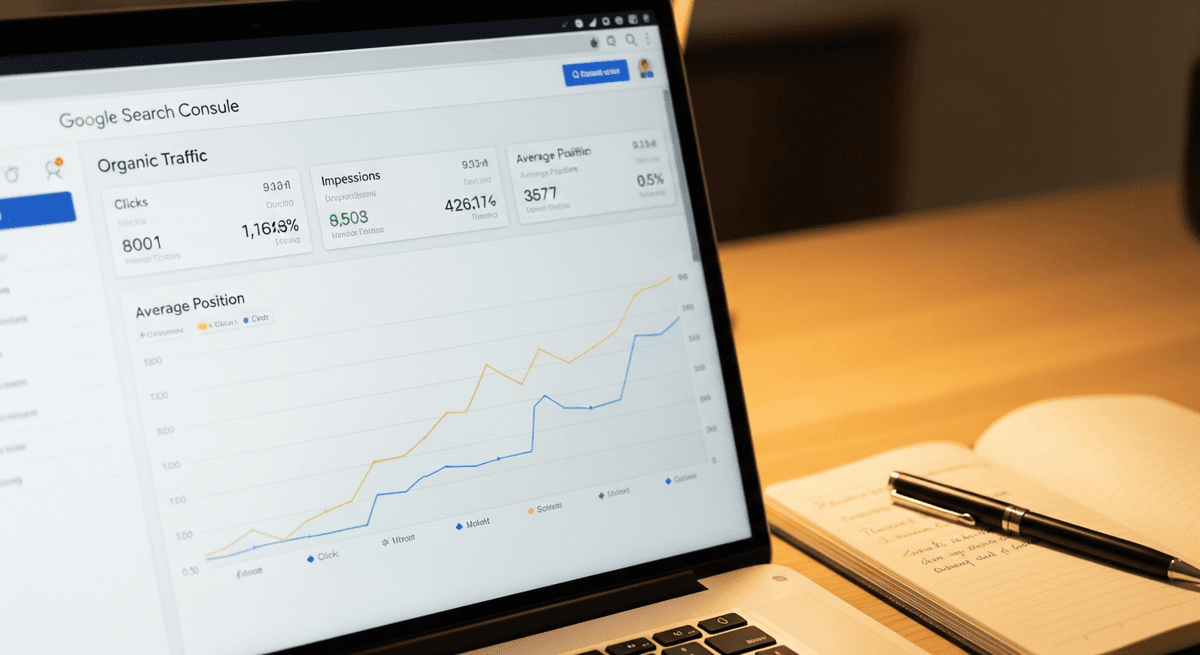
By month three, you should start to see Google Search Console showing impressions for your target keywords, even if clicks are still low. Impressions before clicks is the normal sequence.
What to Expect at Six Months
This is typically when the first meaningful ranking movements happen. Pages that were indexing but ranked on page 3 or 4 start moving toward page 1. Some lower-competition keywords may already rank on page 1.
For a local service business in a mid-sized market like Hamilton, Burlington, or a similar Ontario city, reaching page 1 for primary service keywords (not just long-tail variations) usually happens somewhere between months 4 and 8. In highly competitive categories like legal, financial services, or real estate, that timeline extends significantly.
Six-month benchmarks to look for:
- Organic clicks increasing month over month in Google Search Console
- 3 to 5 target keywords ranking on page 1 or 2
- GBP profile showing in the local pack for primary service keywords
- At least a handful of organic leads attributable to search
If none of these things are happening at six months, something is wrong with the strategy, not just the timeline. That's the point to reassess.
What Compounding Looks Like After 12 Months
SEO's real value is its compounding nature. A page that reaches page 1 for a keyword keeps generating traffic without ongoing per-click costs. As you add more content and earn more links, more pages rank. Rankings for secondary keywords improve alongside primary ones. The total organic traffic grows faster than the rate of new content being added.
At 12 months, a well-executed SEO strategy for a local business typically looks like:
Free Offer
Want to know what's actually hurting your website?
We'll review your site and tell you exactly what to fix, no strings attached.
Get Your Free Audit- Consistent organic lead flow from several different keywords and pages
- Reduced cost-per-lead compared to paid channels, because the ranking is "earned" rather than bought per click
- A growing library of content that ranks for long-tail searches without additional effort
- A more authoritative domain that ranks new pages faster than it did in month one
This is why the businesses that stick with SEO past the six-month mark consistently report it as their best lead source at the 18-24 month mark. The early months are investment. The return is back-loaded.
Factors That Affect the Timeline
Not all SEO timelines are equal. Several variables push the timeline faster or slower:
Domain age and existing authority. A site that's been around for five years and has earned some backlinks will rank faster than a brand new site, even with the same SEO work applied.
Competition level. Ranking for "dentist Hamilton" is harder than ranking for "pediatric dentist Ancaster." The more competitive the keyword, the longer it takes to break through regardless of how good the optimization is.
Content volume and quality. A site publishing one well-researched piece of content per week will outrank a site with one blog post per quarter, assuming similar authority levels. Consistent, quality content is one of the fastest legitimate accelerators.
Technical health. A site with significant technical SEO issues, broken links, duplicate content, or slow load times limits how much rankings can improve regardless of content quality. Technical fixes are often the fastest wins in the early months.
Link acquisition. Earning links from other credible local websites (chambers of commerce, business directories, local press, partner businesses) accelerates authority building. It doesn't happen automatically and requires deliberate effort.
How to Know If Your SEO Is Actually Working
Rankings and traffic are the obvious metrics. But they're trailing indicators. The leading indicators that tell you if the work is being done correctly:
- Impressions climbing in Google Search Console (even before clicks follow)
- More keywords appearing in your position tracking reports month over month
- GBP profile receiving more calls and direction requests than the previous period
- Site crawl health improving (fewer errors, faster index coverage)
If you're working with an SEO provider and not seeing monthly reporting on these metrics, ask for it. Impressions and position data are visible to anyone with Search Console access. There's no reason not to share them.
Frequently Asked Questions
Can you speed up SEO results?
You can narrow the timeline somewhat by prioritizing high-impact work first (technical fixes, GBP optimization, content for low-competition keywords) and by publishing quality content consistently. What you can't do is shortcut the trust-building component. Any agency promising page 1 results in 30 days is either targeting keywords with essentially no competition or using tactics that risk a Google penalty. Neither is worth the trade-off.
Should I run Google Ads while I wait for SEO to work?
Often, yes. The two channels solve different problems on different timelines. Google Ads generates leads now. SEO builds a lower-cost, compounding lead source over 12 to 24 months. Running both in parallel is a more durable growth strategy than waiting for SEO to kick in before generating any leads. The post on Google Ads vs. SEO covers the comparison in more detail.
How do I know if SEO is worth the investment for my business?
The calculation is straightforward: if your average client is worth $500 to $5,000 in revenue, and SEO generates five to ten new clients per month at a lower cost-per-acquisition than paid ads, it's worth it. The variable is time: it takes 6 to 12 months before that return materializes. For businesses with longer customer lifetime values and stable cashflow to sustain the investment period, SEO is typically a better long-term investment than paid ads. For businesses that need leads next month, ads come first.
If you'd like an honest assessment of where your site currently stands and what it would actually take to rank in your market, our free website audit covers your technical health, current keyword positions, and specific priorities to focus on first.