September 15, 2023
5 Email Marketing Best Practices: Mastering Your Strategy
TL;DR
Email is still one of the highest-ROI channels in digital marketing. These 5 best practices will help you write better campaigns, build stronger lists, and actually get your emails opened.
In This Article
Email marketing consistently delivers one of the highest returns on investment of any digital marketing channel. For every dollar spent, the average return is well above what most paid advertising channels can claim. That is partly because email is direct (it lands in a specific person’s inbox), and partly because email lists are made up of people who have already shown interest in what you offer.
But a high potential return does not automatically translate to results. Most businesses with email lists are not using them as effectively as they could be. These five best practices address the most common gaps between average email programs and genuinely effective ones.
1. Segment Your List Before You Send Anything
Sending the same email to your entire list is one of the fastest ways to see your engagement rates drop. Different people on your list are at different stages of the relationship with your business, have different interests, and are looking for different things. When they receive content that is not relevant to them, they unsubscribe or, worse, stop opening your emails entirely.

Segmentation means dividing your list into groups based on shared characteristics. Common segmentation criteria include:
- Where they are in the buying journey: new subscriber, active prospect, existing customer, lapsed customer
- What they have shown interest in: specific products, services, or content categories they have engaged with
- Demographics: location, business type, company size, or other relevant attributes
- Behaviour: opened your last three emails, clicked a specific link, made a purchase in the last 90 days
Even basic segmentation, such as separating prospects from customers, produces a meaningful improvement in engagement. People respond better to emails that feel relevant to their situation. Segmentation is how you get there.
2. Write Subject Lines That Earn the Open
Your subject line is the single most important sentence in your email, because if it does not work, nothing else gets read. Most email clients display between 40 and 60 characters of subject line text before cutting off. Mobile shows less. You have a short window to communicate why this email is worth opening right now.
A few principles for effective subject lines:
- Be specific rather than clever. "3 things to check on your website before running ads" outperforms "Are you making this common mistake?"
- Create genuine curiosity, not manufactured urgency. Fake countdown timers and all-caps URGENT labels train readers to ignore you.
- Personalisation works when it is relevant. Including a recipient’s first name or referencing their location can improve open rates, but only when it does not feel forced.
- Test. Run A/B tests on subject lines regularly. What works for one list may not work for another. Let data guide your decisions over time.
Preheader text (the preview line that appears after the subject in the inbox) is often overlooked but functions as a second headline. Use it to extend or complement your subject line, not to repeat it.
3. Make Your Content Worth Receiving
Most marketing emails are about the sender. They promote products, announce sales, talk about company news. The emails that people actually look forward to receiving are about the reader. They teach something useful, save time, solve a problem, or share something genuinely interesting.
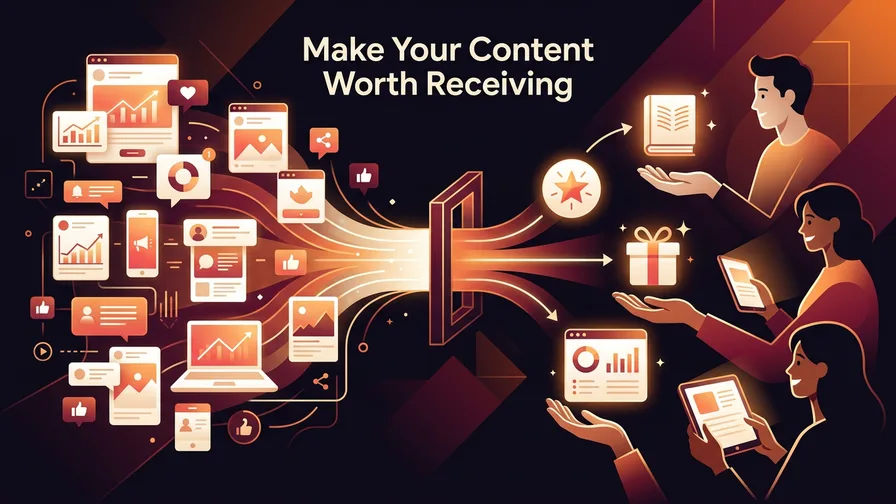
Every email you send should pass a simple test: is this worth receiving? If the honest answer is "probably not," rethink what you are sending before you send it. Email fatigue is real. When people feel like they are on a list that only sends promotional content, they tune out or unsubscribe.
This does not mean you can never promote in email. Promotional emails work fine when your list trusts you because you have delivered value consistently. The ratio of helpful content to promotional content matters. As a general guide, if most of your emails offer something useful without asking for anything in return, your promotional emails will perform much better.
If you are not sure what content your audience finds genuinely useful, ask them directly. A simple survey sent to your list can give you more useful direction than any amount of guessing.
Free Consultation
Ready to get more from your marketing?
Book a free call and we'll look at what's working, what's not, and where to focus next.
Book a Free Call4. Use Data to Improve, Not Just to Report
The metrics available in any email platform, open rate, click-through rate, conversion rate, unsubscribe rate, are useful only if you act on them. Many businesses check their stats after each send and then do the same thing next time regardless of what the data showed.
Use your data actively:
- If open rates are low, the problem is usually your subject lines, your sender name, or the time and day you are sending.
- If click-through rates are low, the problem is usually the relevance of your content, the clarity of your calls to action, or the design and layout of the email.
- If conversion rates are low, the problem may be in the email itself, or it may be the landing page or offer you are directing people to.
- If unsubscribes spike after a specific email, look at that email carefully. It usually tells you something about a mismatch between what your list expected and what they received.
Run A/B tests on one variable at a time: subject lines, send times, content formats, call to action wording. Build a documented sense of what works for your specific audience over time.
If you are using email alongside a broader marketing strategy that includes automation, our marketing automation services can help you build sequences that respond to behaviour and deliver the right message at the right time.
5. Keep Your List Clean
A large email list that is not engaged is worse than a smaller list that is. Sending to large numbers of inactive subscribers drives down your engagement metrics, which affects your sender reputation with email service providers. A poor sender reputation means more of your emails land in spam folders, even for people who do want to hear from you.
Clean your list regularly. Define what "inactive" means for your business (typically no opens in 6 to 12 months), then either run a re-engagement campaign to that segment or remove them from your active list. Some will re-engage when prompted with the right message. The rest can be safely removed.
Also keep your list free of typos, duplicates, and email addresses that bounce. These small maintenance tasks keep your deliverability healthy and ensure you are spending your budget on subscribers who actually receive and read what you send.
Building an Email Program That Works Long-Term
Email marketing rewards consistency and care. The businesses with the most effective email programs did not get there overnight. They built their lists thoughtfully, experimented consistently, learned from their data, and kept showing up with content worth reading.

If you are just starting out with email or trying to improve an underperforming program, start with the basics: segment your list, write subject lines that earn opens, and make sure every email you send offers something genuinely useful. The rest follows from there.
If you are interested in how email fits into a larger digital marketing strategy for your business, book a free introductory call with our team.
Frequently Asked Questions
How often should I send marketing emails?
There is no universal answer. For most small businesses, once or twice per week is the upper limit before subscribers start to feel overwhelmed. Once per week or twice per month is a sustainable starting point that allows you to maintain quality. The right frequency is the one where you can consistently deliver content worth receiving without burning out your team or your list.
What is a good open rate for email marketing?
Average open rates vary by industry, but a range of 20 to 40 percent is typical for engaged lists in most sectors. If your open rates are consistently below 15 percent, your subject lines, segmentation, or sender reputation likely need attention. If they are above 40 percent, you are doing something right and worth analyzing and repeating.
Should I buy an email list?
No. Purchased lists are made up of people who never asked to hear from you, which means low engagement, high unsubscribe rates, and risk of being flagged as spam. Beyond performance, sending to purchased lists may violate Canada’s Anti-Spam Legislation (CASL). Build your list organically through your website, content, and customer relationships.
What is the difference between a newsletter and a marketing email?
A newsletter is typically regular, content-focused, and relationship-building. A marketing email is typically promotional: announcing an offer, a product, or a specific action you want readers to take. Effective email programs include both. Newsletters build trust over time. Marketing emails convert that trust into action when you have something worth promoting.